Hands Awake: Rediscovering Slovenian Crafts Together

Step into living heritage as we revive traditional Slovenian crafts through immersive, hands-on workshops led by keepers of lace, wood, clay, fiber, and color. From Idrija’s delicate bobbins to Ribnica’s practical woodenware, you will learn by doing, listening, and belonging. Expect slow skill-building, warm storytelling, sustainable materials, and the quiet pride of finishing something useful and beautiful with your own two hands.

Why Making With Your Hands Still Matters

In a fast-scrolling world, craft slows time and returns attention to breath, posture, and purposeful touch. Workshops in villages and small towns offer shared tables where strangers become collaborators, mistakes turn into lessons, and local dialects mingle with the rhythm of tools. What begins as curiosity often deepens into stewardship, nourishing identity, strengthening communities, and gently proving that resilience grows whenever people shape raw, honest materials together.

01

From Memory to Mastery

Many participants arrive carrying fragments of childhood: a grandmother’s bobbin pillow, a father’s pocketknife, a neighbor firing clay behind the house. Guided practice transforms scattered memories into repeatable motions, retraining hands to feel tension, weight, and grain. With each small success, confidence returns, and cherished recollections evolve into living skills that can be adapted, taught, and proudly used every day.

02

Bridging Generations

Elders bring techniques refined by decades; younger learners bring fresh curiosity, design ideas, and digital savvy. Around the same bench, they exchange stories about harvests, fairs, and winters by tiled stoves. Hands-on teaching dissolves age barriers, celebrates regional differences, and creates friendships that outlast a single class, ensuring knowledge travels forward without losing the tenderness and humor carried in the original voice.

03

Travel With Purpose

Visitors seeking more than souvenirs find meaning in helping prepare materials, sweeping floors, and sharing meals after practice. Slow travel through workshop routes supports family businesses, honors place-based wisdom, and invites deeper listening. You leave with objects you truly understand, plus maps of faces, landscapes, and sounds that guide your next return with gratitude instead of checklist urgency.
Techniques That Shape a Nation’s Touch
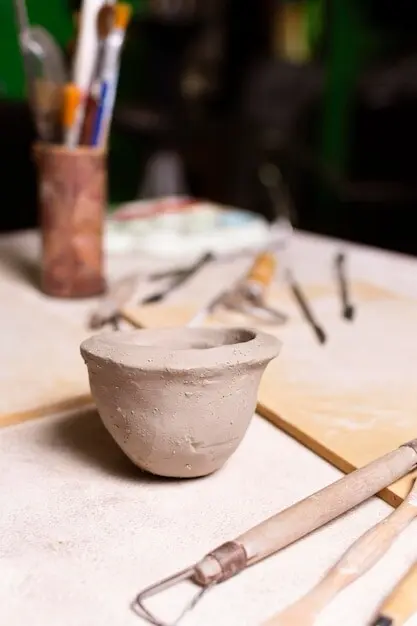
The tools, gestures, and patterns found across Slovenia encode climate, soil, and survival. Lace diagrams echo river braids, wooden spoons remember forest shade, and clay forms store the warmth of bread ovens. In workshops you learn why efficiency never beats patience here, how small variations carry meaning, and where practical utility quietly meets artistry passed carefully from wrist to wrist.

A Day Inside the Workshop

Days begin with open doors, the smell of woodchips or beeswax, and names exchanged over coffee. Instructors check posture, adjust stools, and set gentle goals. Hours pass differently as repetition invites calm, laughter bursts when shavings curl perfectly, and breaks bring bread, cheese, and pickled vegetables. You end tired, proud, and hungry for tomorrow’s quiet discoveries.

Morning Rituals: Tools, Tea, and First Knots

Morning light sharpens edges, helping beginners see grain direction and thread sheen. Tools are counted, warmed in the hands, and respected. First demonstrations move slowly, then pause for questions. Tea cools while everyone tries, fails safely, tries again, and smiles at the first neat line that holds steady without tugging or fear.

Afternoon Focus: Repetition Becomes Rhythm

After lunch, concentration deepens. The shop grows quieter as hands memorize sequences: twist, cross, pin; score, fold, burnish; grip, pare, test. Tiny calibrations produce big differences. Instructors circulate like patient metronomes, reminding you to breathe, rest shoulders, and sharpen often so the material decides the pace and mistakes become invitations, not verdicts.

Evening Reflections: Stories by the Stove

As dusk settles, scraps are saved for future lessons, benches brushed clean, and tools laid to rest. Everyone gathers by warmth to trade progress and puzzles. Elders recall fairs, migrations, and apprenticeships; newcomers describe surprises. Plans form for market stalls, gifts, and returns, while gratitude lingers like woodsmoke caught thoughtfully in wool sleeves.

Materials, Tools, and Respect for the Land
Choosing Threads, Clays, and Woods with Intention

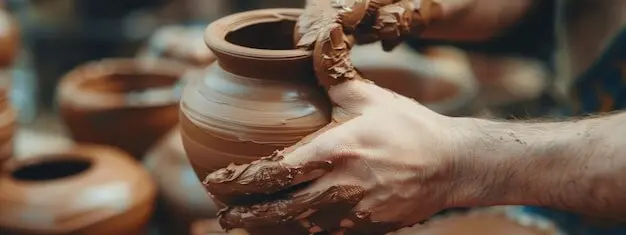
Materials are tested by touch and sound: a thread that sings but does not snap, a clay that bends without slumping, a plank whose rings promise stability. You learn to question suppliers, read labels, and favor cooperative networks. Such attention builds trust, strengthens regional resilience, and yields objects that endure weather, washing, festivals, and long family tables.

Safety, Comfort, and Pace for Every Learner

Thoughtful spaces matter: good light, steady benches, non-slip mats, and chairs adjusted to hips and knees. Ear, eye, and hand protection are taught without fear. Breaks prevent strain, alternatives are offered for different abilities, and translation is welcomed. When bodies feel respected, skill grows faster, and laughter returns quickly after inevitable, harmless mistakes.

Documenting Your Progress Without Distracting the Flow

Photos and notes help memory, but cameras can interrupt concentration. Instructors suggest moments for capturing steps and recommend sketching proportions or counting patterns between shots. Sharing online is encouraged with credit to mentors and places. The best record remains the finished piece, speaking clearly through texture, balance, and the unmistakable imprint of your patient time.

Community Ripples and New Economies

Hands-on workshops strengthen rural life without romanticizing hardship. Fees support teachers, apprentices, and materials; visitors spend at local bakeries and inns; and small studios gain year-round stability. Beyond money, there is dignity in shared authorship and pride in place. Success is measured by returning faces, revived storefronts, and young people choosing to learn, teach, and stay.

Join, Support, and Keep the Hands Moving
Finding the Right Workshop for Your Journey

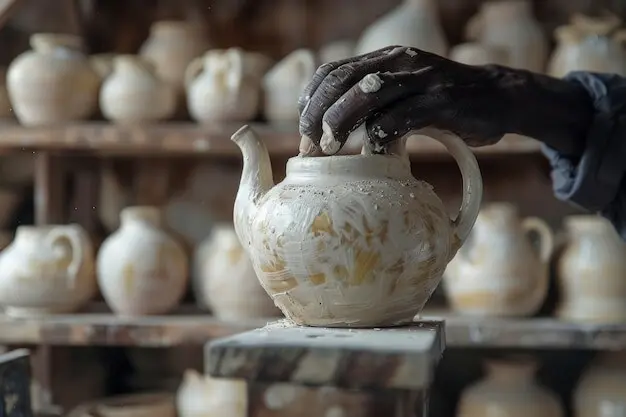
Consider where materials come from, how many students attend, and whether translation or child-friendly pacing is available. Look for clear schedules, transparent pricing, and respectful photography policies. Read alumni notes, not just ratings. Matching values and energy matters as much as location, ensuring your time strengthens relationships, supports heritage carriers, and protects vulnerable resources together.

Helping Without Hovering: Volunteer, Donate, Share

Studios often need sandpaper, thread, clay, or a few extra benches more than applause. Offer time, lend tools, or contribute funds through local associations. Share responsibly online, emphasize process over perfection, and invite friends to learn. Support should empower teachers’ decisions, reduce administrative burdens, and keep the workshop floor humming with dignity, patience, and mutual respect.

Stay Connected: Newsletter, Feedback, and Next Steps

Leave a thoughtful note after class describing what helped and what confused. Feedback shapes curricula and encourages quieter participants. Subscribe for seasonal schedules, profiles of master makers, and calls for collaborative projects. Return with a friend, send a postcard from your kitchen table, and keep practicing so the skills breathe beyond the final goodbye.
Telilorolaxi
Privacy Overview

This website uses cookies so that we can provide you with the best user experience possible. Cookie information is stored in your browser and performs functions such as recognising you when you return to our website and helping our team to understand which sections of the website you find most interesting and useful.